Most homeowners wait until their HVAC system struggles before checking their 12x25x4 air filter. We've seen this pattern repeat itself thousands of times — and it almost always leads to the same outcome: higher energy bills, poorer air quality, and a system that's working harder than it should.
Here's what we've learned from manufacturing filters and talking with customers every day: a clogged 12x25x4 filter rarely gives you one loud warning sign. It gives you several quiet ones. A subtle spike in your utility bill. Dust settling faster than usual. Allergy symptoms flaring up with no clear cause.
This page shows you exactly what to look for — so you can act before your filter costs you more than a simple replacement.
TL;DR Quick Answers
What Are 12x25x4 Air Filters?
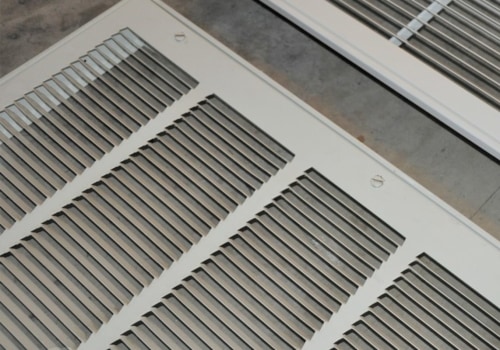
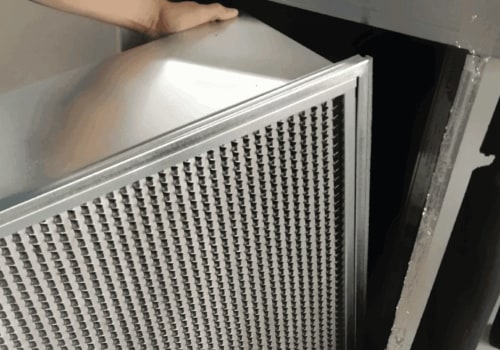
A 12x25x4 air filter is a 4-inch-deep HVAC air filter sized at 12 x 25 x 4 inches (nominal). It fits HVAC systems with a filter housing specifically designed for the 4-inch format.
After manufacturing millions of these filters, here's what we know sets them apart:
Deeper media bed — holds significantly more filtration material than a standard 1-inch filter
Longer lifespan — typically lasts 6 to 12 months before needing replacement
Higher particle capacity — captures more dust, pollen, dander, and debris before airflow becomes restricted
Less frequent maintenance — fewer replacements per year than thinner filter formats
Available in MERV 8, 11, and 13 — covering standard filtration up to near-hospital-grade air quality
Actual measured size: 11.75 x 24.75 x 3.75 inches. The slight difference from the nominal size is standard — it ensures a proper, snug fit inside the filter housing.
Who it's for:
Homeowners whose HVAC system was designed with a 4-inch filter housing
Households that want longer replacement intervals
Anyone looking to improve air quality without upgrading to MERV 13 resistance levels
One thing we tell every customer: The 4-inch format only delivers its full advantage when replaced on schedule. A longer lifespan makes it easy to forget. Don't let the filter outlast its effectiveness — your HVAC system and your family's air quality depend on it.
Top Takeaways
Your 12x25x4 filter warns you indirectly — not obviously. Rising energy bills, faster dust buildup, longer system run times, and worsening allergy symptoms are the real warning signs. They appear weeks before anyone checks the filter.
Indoor air is almost always more polluted than outdoor air. The EPA confirms indoor pollutant levels are typically 2 to 5 times higher than outdoors. A saturated filter stops trapping those pollutants. It starts recirculating them directly into your family's breathing space.
A clogged filter is a hidden energy cost. Heating and cooling accounts for nearly half of your home's total energy use. A restricted 12x25x4 filter forces your system to work harder — every cycle, every month — with no visible warning sign.
Filter neglect damages more than your air quality. Restricted airflow accelerates wear on your blower motor and compressor. These are two of the most expensive HVAC components to repair or replace. The filter is your system's first line of protection. When it fails quietly, the rest of the system pays the price.
Don't wait for a warning sign — set a replacement schedule. The 4-inch format's longer lifespan is only an advantage when you replace it on time. A 12x25x4 filter past its effective life does the opposite of its job. Replacing it on schedule protects your family's health, your comfort, and your HVAC investment.
Your Energy Bills Are Creeping Up for No Clear Reason
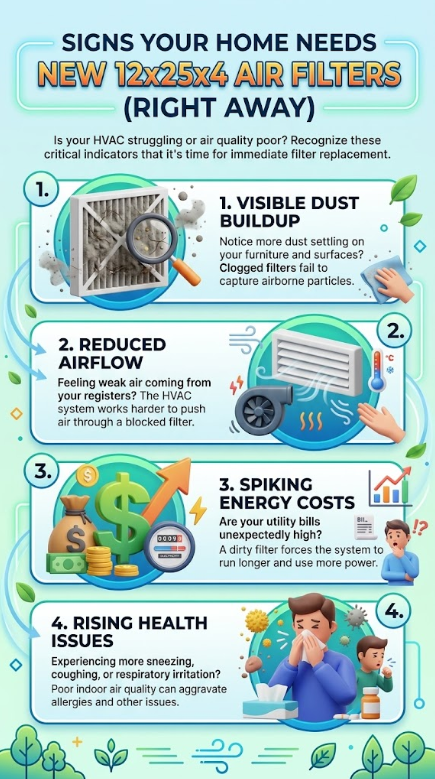
A clogged 12x25x4 filter forces your HVAC system to work significantly harder to pull air through a blocked media. That extra strain shows up on your utility bill before it shows up anywhere else. If your monthly energy costs have climbed without a change in usage habits or season, your filter is one of the first things to check. In our experience, homeowners are often surprised to find a nearly black filter behind what they assumed was a billing issue.
You're Noticing More Dust Around Your Home
A fresh 12x25x4 air filter captures dust, pet dander, and debris before it ever circulates through your living space. When the filter is saturated, particles bypass it and settle on furniture, vents, and countertops faster than usual. If you find yourself dusting more frequently — especially near return air vents — your filter is likely past its effective life.
Your HVAC System Is Running Longer Cycles Than Usual
One of the clearest field indicators we see is a system that runs and runs but never seems to reach the set temperature. A restricted 12x25x4 filter chokes airflow to the point where your system can't condition air efficiently. Longer run times mean more wear on the blower motor and compressor — two of the most expensive components in your system to repair or replace.
Someone in Your Home Has Worsening Allergy or Asthma Symptoms
The 12x25x4 size is a high-capacity filter commonly used in homes where air quality really matters. When it's overloaded, it stops trapping allergens like pollen, mold spores, and pet dander. Those particles stay airborne and get recirculated. If family members are sneezing more, dealing with congestion, or experiencing flare-ups with no outside explanation, a saturated filter is a likely contributor.
There's a Musty or Stale Smell Coming From Your Vents
A dirty filter traps moisture along with debris over time. That moisture creates conditions where mold and mildew growth can begin right at the filter media. When your system kicks on, it pushes that stale, musty air directly into your living space. This is a sign that warrants immediate attention — not just a filter change, but a check of the surrounding housing for any moisture buildup.
The Filter Looks Dark Gray or Brown When You Pull It Out
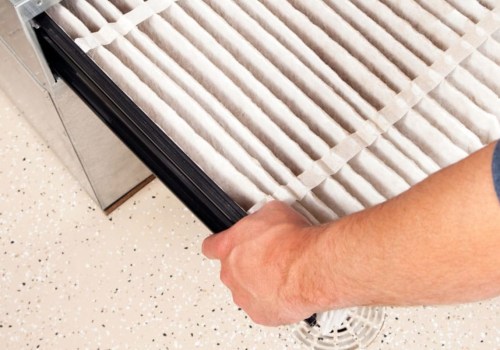
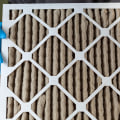
This one is straightforward but surprisingly overlooked. A new 12x25x4 filter is typically white or light gray. A filter that's deep gray, brown, or visibly matted with debris has reached — or exceeded — its capacity. At that point, it's no longer protecting your system or your air. The general recommendation is to replace a 12x25x4 filter every 6 to 12 months depending on household conditions, but visible discoloration is a reliable override signal regardless of timing.
Weak or Uneven Airflow From Your Vents
When airflow feels noticeably weaker than normal — or certain rooms aren't getting the air they used to — restricted filtration is a primary suspect. A 12x25x4 filter that's fully loaded acts almost like a wall against airflow. Your system may still be running, but air isn't moving through the home the way it should. Rooms farthest from the air handler are often the first to show the imbalance.

"After manufacturing millions of air filters and hearing from customers every day, we've found that the warning signs of a failing 12x25x4 filter rarely show up at the filter itself — they show up in your energy bill, your air quality, and your family's comfort long before anyone thinks to check the filter housing."
Essential Resources to Help You Protect Your Home's Air — and Your HVAC System
Don't take your indoor air for granted. We've pulled together the most trustworthy resources available so you can make a confident, informed decision about your 12x25x4 air filter — and keep protecting your family's greatest assets.
1. Decode Your Filter's MERV Rating — So You Know Exactly What You're Breathing
Most homeowners pick a filter without fully understanding what its rating actually captures. The EPA's official MERV guide makes the invisible visible — breaking down what each filtration level traps and what it misses, so you can match your 12x25x4 filter to what your household actually needs.
Source: U.S. Environmental Protection Agency
URL: https://www.epa.gov/indoor-air-quality-iaq/what-merv-rating
2. Understand What Your HVAC Filter Is — and Isn't — Doing for Your Air
Here's something that might surprise you: not all filters protect your family the same way. The EPA's consumer guide cuts through the confusion, explaining how furnace and HVAC filters reduce indoor pollution, what pollutants they can't remove, and what to look for when choosing the right filter for your home.
Source: U.S. Environmental Protection Agency
URL: https://www.epa.gov/indoor-air-quality-iaq/guide-air-cleaners-home
3. Go Deeper — The Full EPA Library on Residential Air Filtration
You're the hero of your household when it comes to clean air. This EPA resource hub gives you access to both quick consumer guides and in-depth technical research — including real health outcome studies — so you can protect your family with confidence, not guesswork.
Source: U.S. Environmental Protection Agency
URL: https://www.epa.gov/indoor-air-quality-iaq/air-cleaners-and-air-filters-home
4. Find Out How a Dirty Filter Is Quietly Costing You Money Every Month
After working with millions of customers, we've seen this pattern repeat itself: a clogged filter drives up energy bills long before it triggers any obvious system problems. ENERGY STAR's official maintenance guide shows you exactly how filter condition affects system efficiency, energy costs, and equipment lifespan — with clear guidance on when and how to replace filters like the 12x25x4.
Source: ENERGY STAR
URL: https://www.energystar.gov/products/ask-the-experts/how-keep-your-hvac-system-working-efficiently
5. Learn Why the Wrong Filter Can Hurt Your HVAC System — Even If It's High Quality
Pro Tip: upgrading to a higher MERV rating without checking your system's capacity is one of the most common mistakes we see. The U.S. Department of Energy's Building Science resource explains how filter placement, airflow restriction, and MERV compatibility directly affect motor wear, run time, and energy consumption — essential reading before changing your filter rating.
Source: U.S. Department of Energy
URL: https://bsesc.energy.gov/energy-basics/hvac-proper-installation-filters
6. Choose the MERV Rating That's Actually Right for Your Home — Not Just the Highest Number
Based on our experience manufacturing filters for over a decade and hearing from customers every day, we know there's no one-size-fits-all answer. Filterbuy's MERV selection guide walks you through how pets, allergies, system age, and filter thickness — including why 4-inch filters like the 12x25x4 outperform thinner options — affect which rating protects your family best.
Source: Filterbuy
URL: https://filterbuy.com/resources/air-filter-basics/which-merv-rating-should-I-use/
7. HEPA vs. MERV — Know the Real Difference Before You Spend More Than You Need To
We want what's best for your family's air — and that means giving you the full picture, not just a sales pitch. Filterbuy's HEPA vs. MERV comparison breaks down particle capture rates, system compatibility, and real-world residential performance so you can make the smartest filtration choice for your home and budget.
Source: Filterbuy
URL: https://filterbuy.com/resources/air-filter-basics/hepa-air-filter-merv-rating-chart/
What the Numbers Reveal — And What We've Learned From Them
Over a decade of manufacturing filters and talking with customers every day has taught us a lot. These three statistics from the EPA, ENERGY STAR, and the U.S. Department of Energy confirm what we've seen firsthand.
1. The Air Inside Your Home Is More Polluted Than You Think
Americans spend approximately 90% of their time indoors, where concentrations of some pollutants are often 2 to 5 times higher than typical outdoor concentrations.
Most homeowners assume their biggest air quality threat is outside. What consistently surprises them is learning the opposite is true.
Based on our experience manufacturing filters for millions of homes, the most polluted air in a household is almost always the air already inside it. Here's why that matters for your 12x25x4 filter:
Invisible particles — mold spores, pet dander, dust mite debris, VOCs — circulate silently through your HVAC system every hour it runs.
A saturated filter stops capturing those particles and lets them recirculate directly into your living space.
A clogged 12x25x4 filter isn't just a maintenance issue. It's a health issue hiding in plain sight.
Source: U.S. Environmental Protection Agency
URL: https://www.epa.gov/report-environment/indoor-air-quality
2. A Neglected Filter Is Quietly Inflating Your Energy Bill Every Month
Nearly half of the energy used in your home goes to heating and cooling. A dirty filter will slow down air flow and make the system work harder to keep you warm or cool — wasting energy. A clean filter will also prevent dust and dirt from building up in the system — leading to expensive maintenance and/or early system failure.
From years of customer conversations, we've found that when energy bills spike unexpectedly, a clogged filter is the culprit far more often than homeowners expect. What to know:
Heating and cooling already consumes more of your household budget than any other single energy category.
A neglected 12x25x4 filter compounds that cost quietly — month after month — before your system shows any obvious strain.
The 4-inch media format captures more before airflow is meaningfully restricted — a genuine efficiency advantage over thinner filters.
That advantage only holds if you replace the filter before it reaches its saturation point.
Source: ENERGY STAR, U.S. Environmental Protection Agency
URL: https://www.energystar.gov/saveathome/heating-cooling
3. A Clogged Filter Doesn't Just Hurt Your Air — It Damages Your HVAC System
A dirty or clogged filter can dramatically reduce air flow, increasing furnace run time, wear on the motor and energy consumption.
Pro Tip: In our experience, the homeowners facing the most expensive HVAC repairs rarely skipped a tune-up. They let a clogged filter run their system into the ground. Here's what that looks like in practice:
Extended run times push the blower motor harder than it was designed to operate.
Restricted airflow forces the compressor to compensate for what the filter can no longer do.
The damage accumulates silently — long before any obvious system failure signals appear.
The filter is your HVAC system's first line of protection. When it fails quietly, the rest of the system pays the price. Replacing your 12x25x4 air filter on schedule is one of the simplest investments you can make in your system's long-term health.
Source: U.S. Department of Energy, Building Science Education
URL: https://bsesc.energy.gov/energy-basics/hvac-proper-installation-filters
Our Final Thought — A Filter Is Small. What It Protects Is Not.
What We've Learned After Manufacturing Millions of 12x25x4 Filters
We'll be direct with you — because that's how good advice should work.
After over a decade of manufacturing filters and hearing from millions of homeowners, we've formed a clear opinion on this topic. One that goes beyond what most filter manufacturers are willing to say.
The 12x25x4 air filter is one of the most underestimated components in the American home.
Not because it's complicated. Because it isn't. That's precisely the problem.
Its simplicity makes it easy to overlook. It sits behind a vent. It does its job quietly. It sends no alert when it's failing. And by the time most homeowners notice something is wrong, the filter crossed the line from working to failing weeks — sometimes months — earlier.
Every warning sign on this page is something we've seen play out in real homes:
Rising energy bills with no obvious cause
Dust accumulating faster than it used to
Systems running longer without reaching temperature
Family members experiencing worsening air quality symptoms indoors
Musty odors coming from vents that weren't there before
Weak airflow in rooms farthest from the air handler
A filter that looks dark gray or brown when you finally pull it out
Each one of those signs is your home telling you something your filter can no longer say for itself.
Our Honest Opinion on 12x25x4 Filter Replacement
We're sharing this as people who are genuinely obsessed with indoor air quality — not as a sales pitch.
The biggest mistake homeowners make with a 12x25x4 filter isn't choosing the wrong MERV rating. It isn't buying the wrong brand. It's simply waiting too long.
Here's what we've found from years of experience:
The 4-inch format was designed to outlast standard 1-inch filters — and it delivers on that promise when replaced on schedule.
Its longer lifespan works against homeowners as often as it works for them. Because it doesn't clog as quickly, it's easy to assume it's still working.
A 12x25x4 filter past its effective life does the opposite of its job — restricting airflow, recirculating pollutants, and accelerating wear on your system.
Our recommendation is straightforward: don't wait for a warning sign. Set a replacement schedule and protect your home before the signs appear.
You're the hero of your household when it comes to clean air. Knowing when to act is the most important part of that role.
FAQ on 12x25x4 Air Filters
Q: How often should I replace my 12x25x4 air filter?
A: Most 12x25x4 filters last 6 to 12 months. That's significantly longer than the 1-to-3-month schedule for standard 1-inch filters.
After manufacturing millions of filters, we've learned the longer lifespan is also the biggest risk. Homeowners forget. The filter looks fine — but it crossed its effective life weeks ago.
Don't rely on the calendar alone. Replace sooner if you notice:
Energy bills rising without explanation
Faster dust buildup on surfaces and vent covers
Worsening allergy or asthma symptoms in your home
Heavy indoor pet shedding
Musty or stale odors from your vents
Set a reminder. Check the filter visually before the schedule says you have to.
Q: What MERV rating should I choose for my 12x25x4 air filter?
A: Higher MERV is not always better. Choosing wrong can restrict airflow and strain your HVAC system.
Here's what we've learned from manufacturing every MERV level and hearing directly from customers:
MERV 8 — Best for homes without pets or respiratory concerns. Captures dust, pollen, and lint. Most systems handle it without strain.
MERV 11 — Best for homes with pets or mild allergy sufferers. Captures pet dander, mold spores, and finer particles. The level where most households notice a real difference.
MERV 13 — Best for asthma sufferers or compromised immune systems. Captures bacteria, fine smoke, and ultrafine debris. Only effective if your system can handle the added airflow resistance.
Always check your HVAC system manual before upgrading MERV ratings. A filter your system can't handle efficiently works against you — not for you.
Q: What is the actual size of a 12x25x4 air filter — and will it fit my system?
A: The nominal size is 12 x 25 x 4 inches. The actual measured size is typically 11.75 x 24.75 x 3.75 inches.
That quarter-inch difference is intentional. It allows the filter to seat properly inside the housing without buckling or leaving gaps.
Gaps matter more than most homeowners realize. A filter that doesn't seat snugly lets unfiltered air bypass the media entirely. Your system runs. Your filter looks fine. But a significant portion of the air in your home never gets filtered at all.
Before ordering, confirm your fit in three steps:
Pull the existing filter and read the size printed on the cardboard frame
Measure the filter housing opening directly if the label is unreadable
Cross-reference with your HVAC system manual if you're still unsure
A proper fit is the foundation everything else depends on.
Q: Why is a 12x25x4 filter better than a standard 1-inch filter?
A: We manufacture both formats. The depth difference is what matters — and here's exactly what it does:
A 4-inch filter holds significantly more media than a 1-inch filter of the same face size. That deeper media bed means:
Slower particle loading — debris spreads across more surface area before restriction builds
Longer effective lifespan — 6 to 12 months versus 1 to 3 months for 1-inch filters
More consistent airflow over the filter's full life
Fewer replacements per year — lower maintenance and lower annual cost
One honest caution: the 4-inch format only delivers these advantages if your HVAC system was designed with a housing that accommodates it. Confirm compatibility before switching. If your system supports it, the upgrade is almost always worth it.
Q: Can a dirty 12x25x4 filter damage my HVAC system?
A: Yes. And the damage builds quietly — long before any obvious warning sign appears.
Here's what a clogged 12x25x4 filter does to your system that you cannot see:
Strains the blower motor — restricted airflow forces the motor to work harder than it was built to operate, accelerating wear
Overworks the compressor — the single most expensive component in your system runs longer and harder to compensate for lost airflow
Freezes the evaporator coil — reduced airflow in cooling mode drops refrigerant temperature below the condensation point, forming ice that compounds the restriction
Lets debris reach internal components — a saturated filter stops capturing particles, which then travel deeper into the system and coat components not designed to be cleaned
The U.S. Department of Energy confirms a dirty filter dramatically increases run time, motor wear, and energy consumption.
Our observation after years of manufacturing: most of this damage is entirely preventable. A replacement 12x25x4 air filter costs a fraction of a service call — and a fraction of a percent of what compressor replacement costs. Replacing your filter on schedule is the simplest HVAC protection available to any homeowner.
Your Home Is Telling You It Needs a New 12x25x4 Air Filter — Don't Wait for the Warning Signs to Get Louder.
You now know exactly what to look for — and the next step is simple: replace your filter before your energy bills, your air quality, or your HVAC system pay the price. Shop our 12x25x4 air filters, manufactured in the USA and delivered directly to your door, so protecting your home stays easy.
Learn more about HVAC Care from one of our HVAC solutions branches…
Filterbuy HVAC Solutions - Miami FL - Air Conditioning Service
1300 S Miami Ave Apt 4806 Miami FL 33130
(305) 306-5027